Proper Nutrition for the Elderly Healthy Eating Guide for Seniors
Last updated: 20 Apr 2026
1192 Views
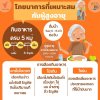
As we age, our bodies require different nutritional care. Proper nutrition plays a key role in maintaining strength, preventing illness, and improving overall quality of life for older adults.
The recommended daily energy intake for the elderly is around 1,600–1,800 kcal/day, depending on individual health and activity levels.
Healthy Eating Guidelines for Seniors
✅ Eat a balanced diet from all 5 food groups
Include carbohydrates, protein, healthy fats, vitamins, and minerals in every meal
✅ Have 3 regular meals a day
Breakfast, lunch, and dinner should be eaten consistently to maintain energy levels
✅ Choose fruits and vegetables as snacks
Opt for nutrient-rich options like carrots, apples, and leafy greens
✅ Drink enough water
At least 6–8 glasses per day to prevent dehydration
⚠️ Foods to Limit
❌ Avoid overly sweet, fatty, or salty foods
❌ Avoid alcoholic beverages
♂️ Stay Active
Regular physical activity for 20–30 minutes per day helps maintain muscle strength, improve balance, and support overall health
Taking care of nutrition and lifestyle today can help older adults live longer, healthier, and more independent lives
Watch more health content:
www.thaipbs.or.th/KonSuRoak
Tune in every Monday–Friday at 3:05 PM on ThaiPBS
The recommended daily energy intake for the elderly is around 1,600–1,800 kcal/day, depending on individual health and activity levels.
Healthy Eating Guidelines for Seniors
✅ Eat a balanced diet from all 5 food groups
Include carbohydrates, protein, healthy fats, vitamins, and minerals in every meal
✅ Have 3 regular meals a day
Breakfast, lunch, and dinner should be eaten consistently to maintain energy levels
✅ Choose fruits and vegetables as snacks
Opt for nutrient-rich options like carrots, apples, and leafy greens
✅ Drink enough water
At least 6–8 glasses per day to prevent dehydration
⚠️ Foods to Limit
❌ Avoid overly sweet, fatty, or salty foods
❌ Avoid alcoholic beverages
♂️ Stay Active
Regular physical activity for 20–30 minutes per day helps maintain muscle strength, improve balance, and support overall health
Taking care of nutrition and lifestyle today can help older adults live longer, healthier, and more independent lives
Watch more health content:
www.thaipbs.or.th/KonSuRoak
Tune in every Monday–Friday at 3:05 PM on ThaiPBS
Related Content
Office Syndrome is a common health issue among modern office workers. Take a quick check to find out whether your symptoms are mild, moderate, or severe, and learn when you should start taking care of your body before it gets worse.
15 May 2026
Learn how to maintain good health in older age with proper nutrition, balanced meals, and simple daily habits for a stronger body.
23 Apr 2026
When a loved one faces a life-threatening illness, families are often asked whether to proceed with intubation and life-sustaining treatments. While these interventions may prolong life, they may not always preserve the quality of life a patient desires. This article explores the importance of dignity, Advance Directives, and Palliative Care in helping families make compassionate and informed decisions during end-of-life care.
16 Jun 2026
