Intubation at the End of Life: A Question Beyond Survival
Last updated: 16 Jun 2026
1850 Views
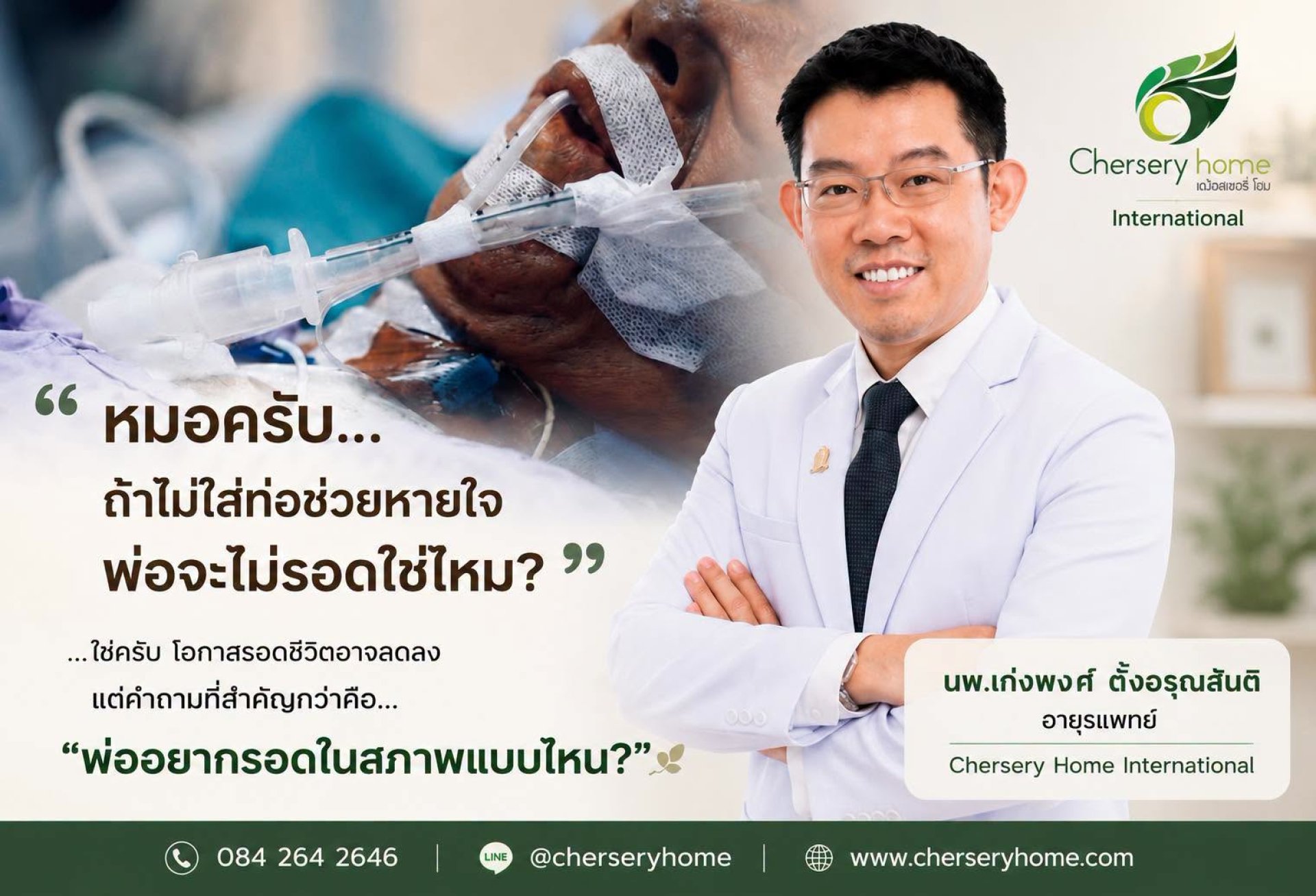
Intubation at the End of Life: A Question Beyond Survival
“Doctor, if we don't put my father on a ventilator, he won't survive... right?”
The answer may be yes. His chances of survival could decrease.
But perhaps the more important question is:
“What kind of life would he want to survive with?”
As a physician who has cared for countless patients at the end of life, I have learned that our role is not simply to prolong life at all costs.
Our responsibility is to preserve dignity, comfort, and quality of life for as long as possible.
Three Important Truths Families Should Understand
1. A Patient's Dignity Should Not Be Overshadowed by Fear
The fear of losing someone we love often drives us to pursue every possible medical intervention.
However, for some patients, choosing not to undergo intubation, tracheostomy, or aggressive life-prolonging treatments may actually be the most compassionate form of care.
2. A Longer Life Does Not Always Mean a Better Life
Intubation may prevent patients from speaking.
A tracheostomy may cause discomfort and distress.
An ICU stay may separate patients from the people, routines, and experiences that bring them comfort.
Modern medicine can sometimes maintain vital signs, but it cannot always preserve the quality of life that matters most to the patient.
3. Not Every Treatment Is the Right Treatment
Today's healthcare philosophy is shifting away from prolonging life at any cost.
Instead, it emphasizes patient-centered care, comfort, and the possibility of a dignified death.
An Advance Directive, often called a Living Will, allows individuals to express their wishes regarding future medical treatment before they are unable to communicate those decisions themselves.
This can help families avoid making emotionally overwhelming decisions during a crisis.
Sometimes Doing Less Is Doing More
Allowing a loved one to pass peacefully is not giving up.
It is an act of courage.
The courage to prevent unnecessary suffering.
The courage to respect a person's wishes.
The courage to say goodbye with dignity and love.
Start the Conversation Today
If you still have the opportunity to talk with your parents or loved ones, consider asking:
"If one day your body becomes too tired to continue, how would you like us to care for you?"
Because the best care is not always about fighting until the very last moment.
Sometimes it is about holding a hand, sharing love, and honoring a person's final wishes.
The Best Care Is Rooted in Understanding and Respect
The most meaningful healthcare does not exist only within the walls of an ICU.
It is found in understanding, compassion, respect, and the ability to support a peaceful and dignified end of life.
May every family facing these difficult decisions find strength, wisdom, and peace.
Dr. Gengpong Tangaroonsanti
Internal Medicine Physician
Chersery Home International Hospital
“Doctor, if we don't put my father on a ventilator, he won't survive... right?”
The answer may be yes. His chances of survival could decrease.
But perhaps the more important question is:
“What kind of life would he want to survive with?”
As a physician who has cared for countless patients at the end of life, I have learned that our role is not simply to prolong life at all costs.
Our responsibility is to preserve dignity, comfort, and quality of life for as long as possible.
Three Important Truths Families Should Understand
1. A Patient's Dignity Should Not Be Overshadowed by Fear
The fear of losing someone we love often drives us to pursue every possible medical intervention.
However, for some patients, choosing not to undergo intubation, tracheostomy, or aggressive life-prolonging treatments may actually be the most compassionate form of care.
2. A Longer Life Does Not Always Mean a Better Life
Intubation may prevent patients from speaking.
A tracheostomy may cause discomfort and distress.
An ICU stay may separate patients from the people, routines, and experiences that bring them comfort.
Modern medicine can sometimes maintain vital signs, but it cannot always preserve the quality of life that matters most to the patient.
3. Not Every Treatment Is the Right Treatment
Today's healthcare philosophy is shifting away from prolonging life at any cost.
Instead, it emphasizes patient-centered care, comfort, and the possibility of a dignified death.
An Advance Directive, often called a Living Will, allows individuals to express their wishes regarding future medical treatment before they are unable to communicate those decisions themselves.
This can help families avoid making emotionally overwhelming decisions during a crisis.
Sometimes Doing Less Is Doing More
Allowing a loved one to pass peacefully is not giving up.
It is an act of courage.
The courage to prevent unnecessary suffering.
The courage to respect a person's wishes.
The courage to say goodbye with dignity and love.
Start the Conversation Today
If you still have the opportunity to talk with your parents or loved ones, consider asking:
"If one day your body becomes too tired to continue, how would you like us to care for you?"
Because the best care is not always about fighting until the very last moment.
Sometimes it is about holding a hand, sharing love, and honoring a person's final wishes.
The Best Care Is Rooted in Understanding and Respect
The most meaningful healthcare does not exist only within the walls of an ICU.
It is found in understanding, compassion, respect, and the ability to support a peaceful and dignified end of life.
May every family facing these difficult decisions find strength, wisdom, and peace.
Dr. Gengpong Tangaroonsanti
Internal Medicine Physician
Chersery Home International Hospital
Related Content

Dehydration is a common yet often overlooked issue that affects both physical and mental health. Learn how to take care of yourself and prevent dehydration at every stage of life.
8 Jul 2025
โรคเดอโกแวง เป็นการอักเสบและมีการตีบแคบของเอ็นหุ้มข้อที่ทำหน้าที่เหยียดข้อมือ (Wrist extensors) ซึ่งอยู่บริเวณตำแหน่งปุ่มกระดูกเรเดียล (Radial styloid) ของข้อมือ พบในเพศหญิงมากกว่าเพศชายประมาณ 3–5 เท่า มักพบในผู้หญิงช่วงอายุ 30–50 ปี มีหลายชื่อ คือ Washerwoman’s sprain; Radial styloid tenosynovitis; De Quervain’s tenosynovitis
19 Mar 2025

Negative self-talk and emotional stress are common among healthcare professionals and long-term caregivers. This article introduces the “HELP” principle as a practical mental health framework to help individuals acknowledge negative thoughts without becoming overwhelmed by them, especially in the context of elderly care.
24 Jun 2026
