6 Essential Vaccines for Older Adults Aged 60 and Above
Last updated: 17 Jun 2026
916 Views

As adults age, immunosenescence—the gradual decline of the immune system—increases susceptibility to infectious diseases and severe complications. The following six vaccines are considered particularly important for adults aged 60 years and older.
Influenza Vaccine
Importance:
Influenza vaccination reduces the risk of hospitalization, severe respiratory illness, cardiovascular complications, and mortality associated with seasonal influenza.
Recommendation:
Annual vaccination is recommended, ideally before the rainy season or influenza season.
Special Considerations:
Quadrivalent influenza vaccines are recommended for older adults. Where available, High-Dose Influenza Vaccines may provide enhanced immune responses in seniors.
Pneumococcal Vaccine
Importance:
Protects against pneumococcal pneumonia, bacteremia, and meningitis caused by Streptococcus pneumoniae.
Recommendation:
Pneumococcal vaccination may include:
• Pneumococcal Conjugate Vaccine (PCV15 or PCV20)
• Pneumococcal Polysaccharide Vaccine (PPSV23)
Vaccination schedules should be individualized according to age, medical conditions, and current immunization guidelines.
Recombinant Zoster Vaccine (RZV)
Importance:
Herpes zoster (shingles) results from reactivation of latent varicella-zoster virus and may lead to prolonged neuropathic pain known as Postherpetic Neuralgia (PHN).
Recommendation:
Adults aged 50 years and older are advised to receive two doses of Recombinant Zoster Vaccine (RZV), administered 2–6 months apart.
Clinical Benefits:
RZV demonstrates greater than 90% efficacy in preventing shingles and its complications.
Tetanus, Diphtheria, and Pertussis Vaccine (Tdap/Td)
Importance:
Protection against tetanus, diphtheria, and pertussis decreases over time, increasing susceptibility among older adults.
Recommendation:
• One lifetime dose of Tdap vaccine
• Booster doses with Td vaccine every 10 years thereafter
COVID-19 Vaccine
Importance:
Older adults remain at the highest risk for severe COVID-19, pneumonia, hospitalization, and death.
Recommendation:
Annual vaccination with the latest updated COVID-19 vaccine formulation is recommended according to current public health guidance.
Hepatitis B Vaccine
Importance:
Hepatitis B virus infection may lead to chronic hepatitis, liver cirrhosis, and hepatocellular carcinoma.
Recommendation:
Vaccination is recommended for older adults without documented immunity, particularly those with risk factors such as diabetes mellitus, chronic kidney disease requiring dialysis, frequent blood transfusions, or other high-risk medical conditions.
Standard Schedule:
Three-dose series administered at 0, 1, and 6 months.
By Dr. Gengpong Tangaroonsanti
Internal Medicine Physician
Chersery Home Hospital for Elderly Care
Related Content


ภาวะมวลกล้ามเนื้อและความแข็งแรงของกล้ามเนื้อลดลงอย่างผิดปกติ ซึ่งพบได้บ่อยในผู้สูงอายุ โดยผู้สูงอายุที่มีภาวะมวลกล้ามเนื้อน้อยจะมีอาการอ่อนแรง เหนื่อยง่าย เคลื่อนไหวลำบาก และหกล้มได้ง่าย ภาวะนี้อาจนำไปสู่ภาวะพึ่งพิงและการเสียชีวิตได้
19 Mar 2025
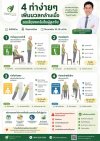
As we age, muscle mass naturally declines, a condition known as Sarcopenia. This can lead to weakness, slower walking speed, fatigue, and an increased risk of falls. The good news is that regular exercise can help maintain and rebuild muscle strength. Discover four simple exercises that older adults can safely perform at home to improve strength, balance, and overall quality of life.
1 Jun 2026
