5 Ways to Prepare Before Urinary Catheter Removal After Hospital Discharge
Last updated: 15 Jun 2026
1083 Views
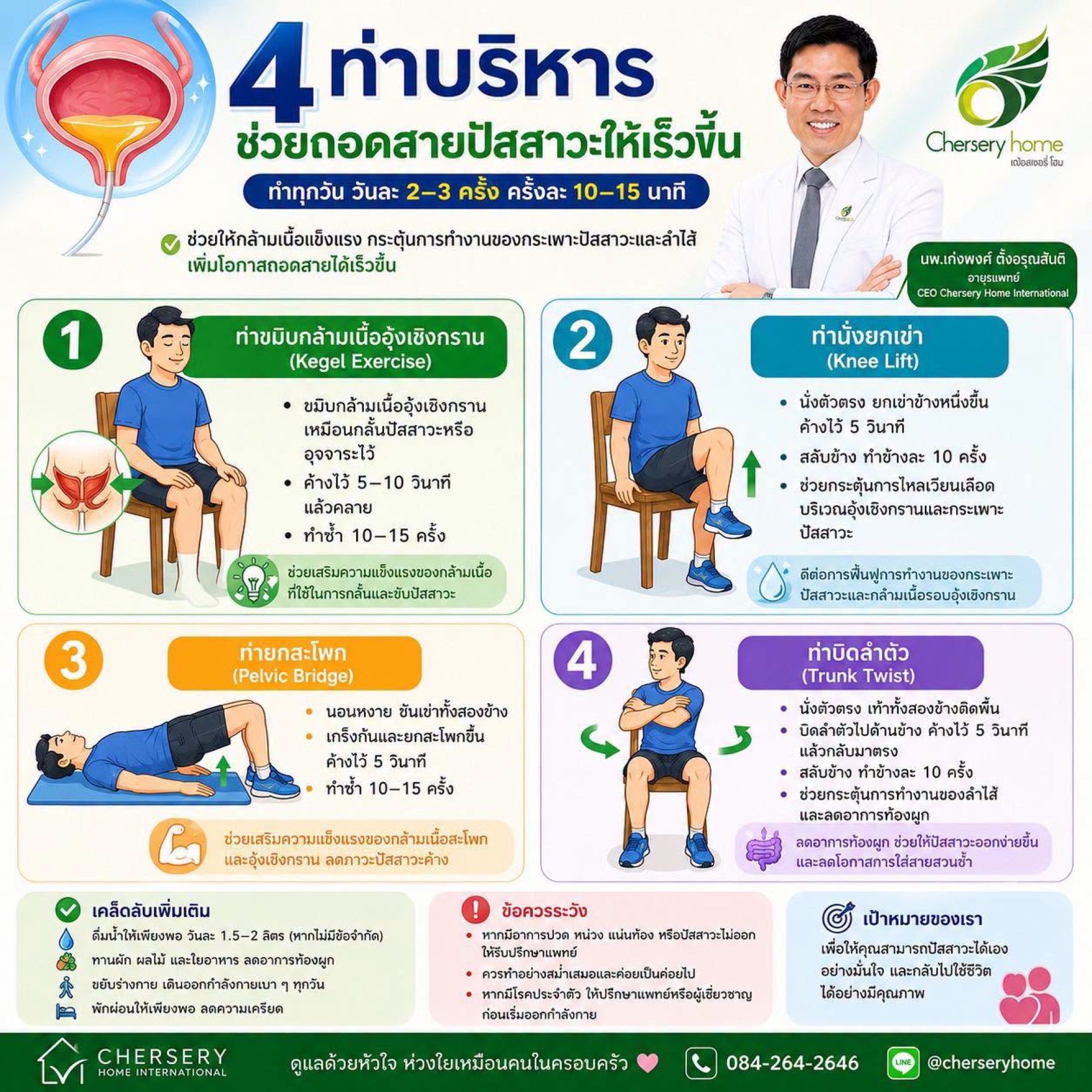
5 Ways to Prepare Before Urinary Catheter Removal After Hospital Discharge
Many patients who have been hospitalized due to surgery, stroke, infection, or a serious illness may return home with a urinary catheter.
One common concern among patients and families is: “When can the catheter be removed?” and “How can the patient return to urinating normally again?”
Proper preparation before urinary catheter removal is essential for improving the chances of successful catheter removal and reducing the risk of complications.
1. Drink Enough Water
Adequate hydration helps the bladder function properly, reduces urine concentration, and lowers the risk of urinary tract infections.
• Aim to drink approximately 1.5–2 liters of water per day unless you have fluid restrictions due to heart disease or kidney disease.
• Well-hydrated patients often experience better bladder function and urinary flow.
2. Restore Mobility and Physical Function
Prolonged bed rest can weaken the nerves and muscles involved in bladder and bowel function.
• Sit up, walk, or participate in physical therapy as recommended by your healthcare team.
• Movement helps stimulate bladder activity and bowel function.
• Regular mobility can also reduce complications associated with prolonged immobility.
3. Prevent and Manage Constipation
Constipation is a common but often overlooked cause of difficulty urinating.
• Eat adequate amounts of vegetables, fruits, and fiber-rich foods.
• Drink sufficient water throughout the day.
• Consult your physician if laxatives are needed.
Maintaining regular bowel movements may help improve bladder emptying and increase the success of catheter removal.
4. Strengthen the Pelvic Floor Muscles
Pelvic floor muscle training, commonly known as Kegel exercises, is particularly beneficial for older adults, post-operative patients, and individuals who have had a catheter for an extended period.
• Practice pelvic floor exercises regularly.
• These exercises help improve bladder control.
• They may reduce the risk of urinary incontinence after catheter removal.
5. Assess and Treat the Underlying Cause of Urinary Retention
In some cases, urinary retention is caused by an underlying medical condition that requires treatment.
Possible causes include:
• Enlarged prostate
• Stroke
• Parkinson’s disease
• Medication side effects
• Nerve dysfunction affecting bladder control
Addressing the underlying cause can significantly increase the likelihood of successful catheter removal.
Important Note
Urinary catheter removal should always be performed under the guidance of a physician or healthcare professional.
In some cases, a Trial Without Catheter (TWOC) may be conducted to determine whether the patient can urinate adequately after catheter removal.
Proper preparation can help reduce the need for catheter reinsertion, lower the risk of urinary tract infections, and improve overall quality of life, allowing patients to return as closely as possible to their normal daily activities.
Dr. Kengpong Tangaroonsanti
Internal Medicine Physician
CEO, Chersery Home International
For more information:
Chersery Home International
Tel. +66 84-264-2646
Many patients who have been hospitalized due to surgery, stroke, infection, or a serious illness may return home with a urinary catheter.
One common concern among patients and families is: “When can the catheter be removed?” and “How can the patient return to urinating normally again?”
Proper preparation before urinary catheter removal is essential for improving the chances of successful catheter removal and reducing the risk of complications.
1. Drink Enough Water
Adequate hydration helps the bladder function properly, reduces urine concentration, and lowers the risk of urinary tract infections.
• Aim to drink approximately 1.5–2 liters of water per day unless you have fluid restrictions due to heart disease or kidney disease.
• Well-hydrated patients often experience better bladder function and urinary flow.
2. Restore Mobility and Physical Function
Prolonged bed rest can weaken the nerves and muscles involved in bladder and bowel function.
• Sit up, walk, or participate in physical therapy as recommended by your healthcare team.
• Movement helps stimulate bladder activity and bowel function.
• Regular mobility can also reduce complications associated with prolonged immobility.
3. Prevent and Manage Constipation
Constipation is a common but often overlooked cause of difficulty urinating.
• Eat adequate amounts of vegetables, fruits, and fiber-rich foods.
• Drink sufficient water throughout the day.
• Consult your physician if laxatives are needed.
Maintaining regular bowel movements may help improve bladder emptying and increase the success of catheter removal.
4. Strengthen the Pelvic Floor Muscles
Pelvic floor muscle training, commonly known as Kegel exercises, is particularly beneficial for older adults, post-operative patients, and individuals who have had a catheter for an extended period.
• Practice pelvic floor exercises regularly.
• These exercises help improve bladder control.
• They may reduce the risk of urinary incontinence after catheter removal.
5. Assess and Treat the Underlying Cause of Urinary Retention
In some cases, urinary retention is caused by an underlying medical condition that requires treatment.
Possible causes include:
• Enlarged prostate
• Stroke
• Parkinson’s disease
• Medication side effects
• Nerve dysfunction affecting bladder control
Addressing the underlying cause can significantly increase the likelihood of successful catheter removal.
Important Note
Urinary catheter removal should always be performed under the guidance of a physician or healthcare professional.
In some cases, a Trial Without Catheter (TWOC) may be conducted to determine whether the patient can urinate adequately after catheter removal.
Proper preparation can help reduce the need for catheter reinsertion, lower the risk of urinary tract infections, and improve overall quality of life, allowing patients to return as closely as possible to their normal daily activities.
Dr. Kengpong Tangaroonsanti
Internal Medicine Physician
CEO, Chersery Home International
For more information:
Chersery Home International
Tel. +66 84-264-2646
Related Content

As we age, muscle mass naturally declines, a condition known as Sarcopenia. This can lead to weakness, slower walking speed, fatigue, and an increased risk of falls. The good news is that regular exercise can help maintain and rebuild muscle strength. Discover four simple exercises that older adults can safely perform at home to improve strength, balance, and overall quality of life.
1 Jun 2026

Dehydration is a common yet often overlooked issue that affects both physical and mental health. Learn how to take care of yourself and prevent dehydration at every stage of life.
8 Jul 2025

Airway Clearance Techniques (ACTs) are therapeutic methods designed to help remove excess mucus and respiratory secretions from the airways. These techniques can improve breathing efficiency, reduce the risk of respiratory complications, and support overall lung health, particularly in older adults and individuals with chronic respiratory conditions.
17 Jun 2026
