Dehydration
Last updated: 8 Jul 2025
4378 Views
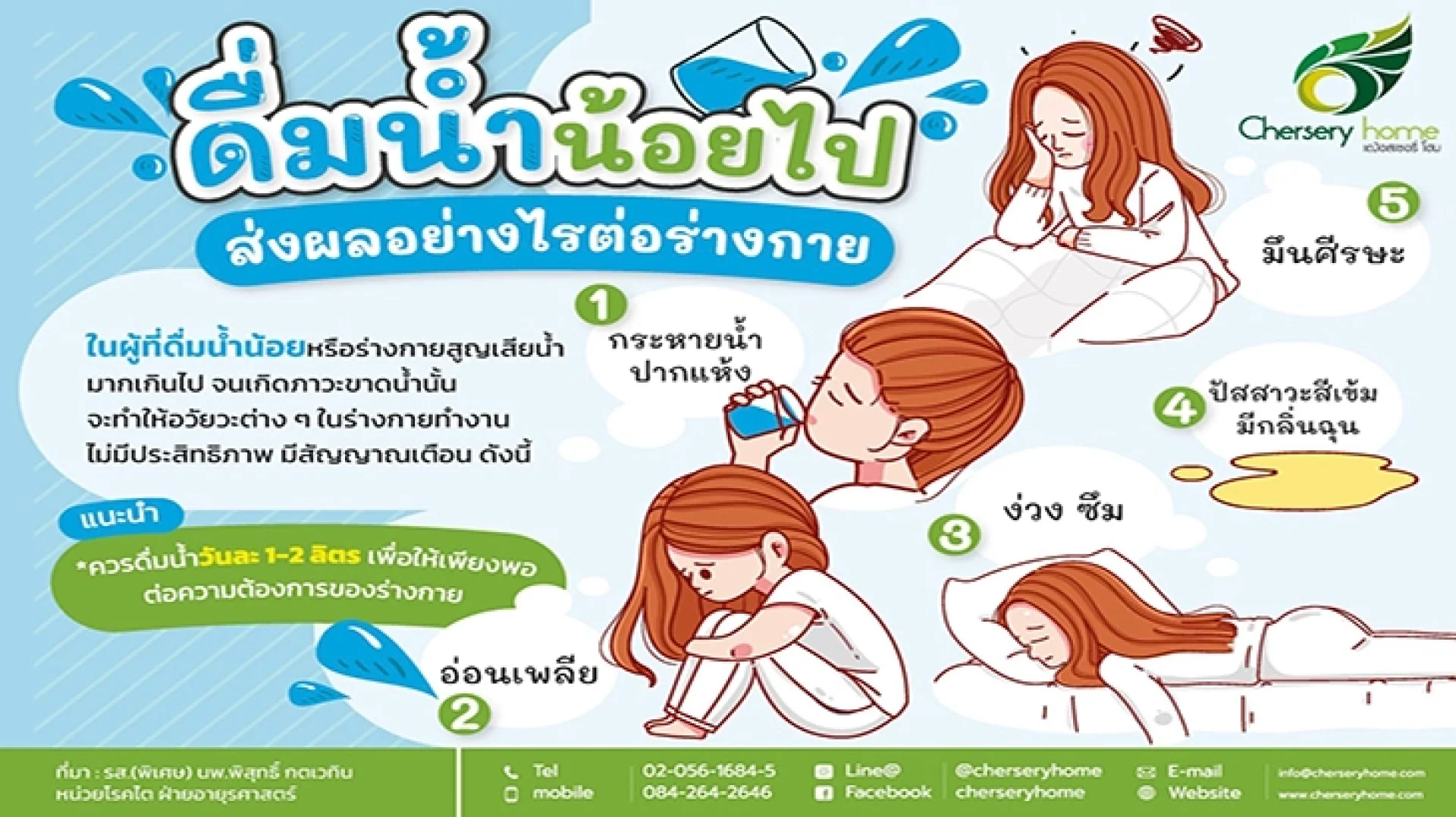
Dehydration
Dehydration is a condition in which the body loses more fluids than it takes in. It can be caused by various factors such as inadequate water intake, excessive sweating, diarrhea, vomiting, or even a high fever. This condition can severely affect multiple systems in the body.
Why does the body need adequate water?
Water makes up about 60% of the human body and plays a vital role in maintaining body temperature, removing waste, regulating electrolyte balance, and ensuring that all bodily systems function efficiently. Even mild dehydration can immediately affect the brain, blood pressure, and circulation.
Symptoms of Dehydration
Dehydration can range from mild to severe, depending on the level of fluid loss. For example:
- Dry mouth and throat
- Decreased urination or dark-colored urine
- Fatigue and lightheadedness
- Dizziness when standing up quickly
- Rapid heartbeat and low blood pressure (in severe cases)
- Dry skin with little or no sweating
High-Risk Groups to Watch For
- Older adults : Often do not recognize their thirst or may have underlying health conditions.
- Young children : Lose fluids easily due to high fever, diarrhea, or vomiting.
- Patients : Those with high fever or who take diuretic medications.
- People who work outdoors for extended periods
Preventing Dehydration
- Drink enough water daily, about 6 to 8 glasses, or more if you exercise.
- Observe the color of your urine; clear or light yellow indicates proper hydration.
- Avoid beverages like alcohol and caffeine that can cause dehydration.
- Carry water with you on hot days or when working outdoors.
- For older adults, its important to drink water regularly, even if they dont feel thirsty.
Related Content

Discover how innovative robotics is transforming elderly healthcare by enhancing safety, precision, and continuity of care while preserving compassion and human connection.
20 May 2026

High-quality senior care is not defined only by facilities or medical equipment, but by the availability of skilled healthcare professionals. At Chersery Home International, we prioritize a higher nursing and caregiver staffing ratio to ensure safety, continuous monitoring, and superior rehabilitation outcomes for every patient.
15 Jun 2026
Learn how proper nutrition supports elderly health, including daily calorie needs, balanced meals, and lifestyle tips for stronger, healthier aging.
20 Apr 2026
