Airway Clearance Techniques for Better Respiratory Health
Last updated: 17 Jun 2026
1200 Views
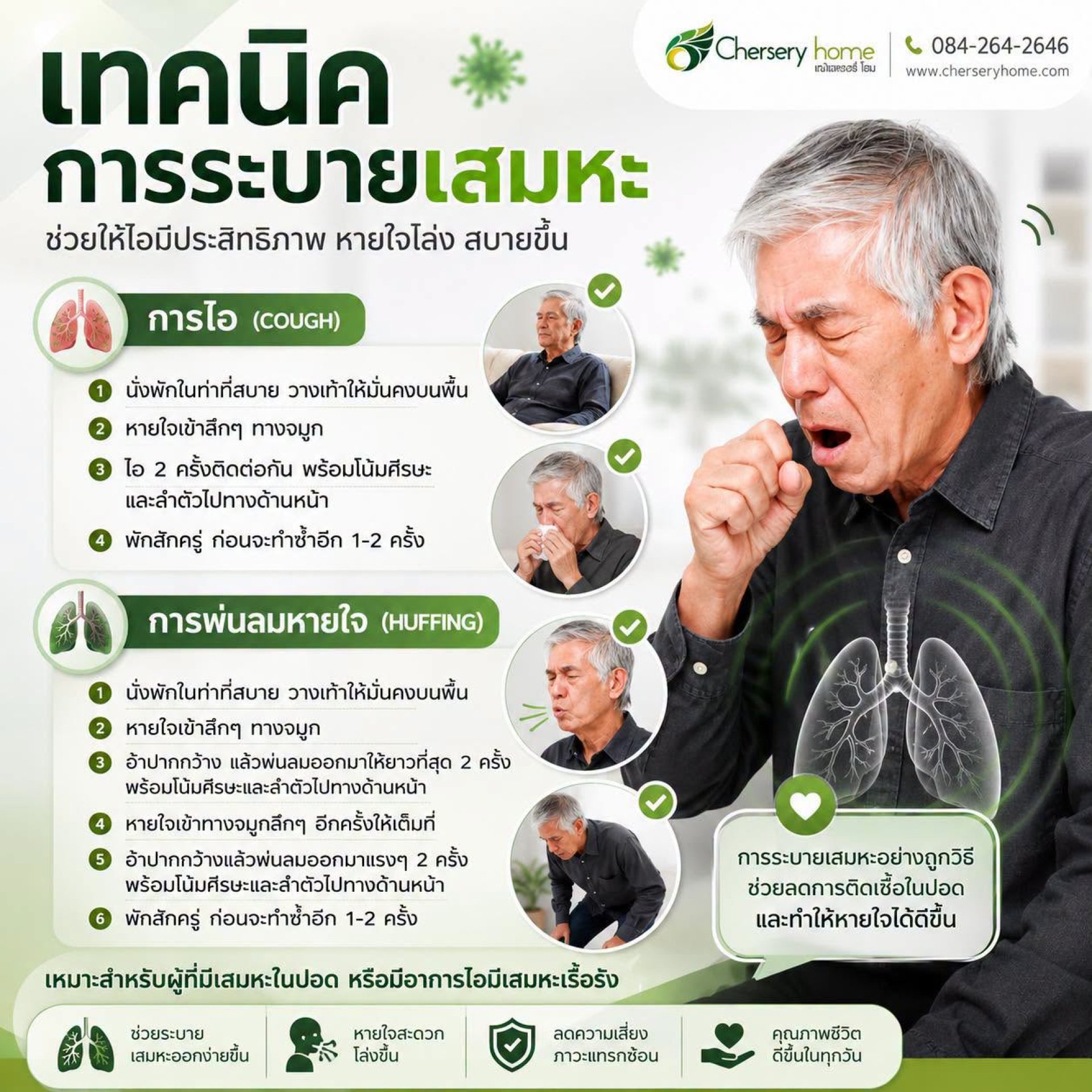
Airway Clearance Techniques (ACTs) are widely used to facilitate the removal of retained airway secretions and improve pulmonary function. Excess mucus accumulation can obstruct airflow, impair gas exchange, and increase the risk of respiratory infections and other pulmonary complications.
Appropriate airway clearance interventions help maintain airway patency, enhance ventilation, improve oxygenation, and promote patient comfort. These techniques are especially beneficial for older adults, bedridden patients, and individuals with chronic respiratory diseases or reduced cough effectiveness.
Regular respiratory care and effective secretion management are important components of maintaining respiratory health and improving quality of life.
Learn more about Airway Clearance Techniques and respiratory care at Chersery Home.
Related Content

Dehydration is a common yet often overlooked issue that affects both physical and mental health. Learn how to take care of yourself and prevent dehydration at every stage of life.
8 Jul 2025

Palliative Care Principles : The HUMAN Approach to Compassionate Care at Chersery Home International
Palliative Care is not about stopping treatment. It is a holistic approach that focuses on relieving suffering and improving the quality of life for patients and their families. At Chersery Home International, we embrace the HUMAN principle to provide compassionate, patient-centered care every day.
16 Jun 2026
When a loved one faces a life-threatening illness, families are often asked whether to proceed with intubation and life-sustaining treatments. While these interventions may prolong life, they may not always preserve the quality of life a patient desires. This article explores the importance of dignity, Advance Directives, and Palliative Care in helping families make compassionate and informed decisions during end-of-life care.
16 Jun 2026
