Physiotherapy for Office Syndrome Relief from Neck Shoulder Back Pain
Last updated: 20 Apr 2026
1215 Views
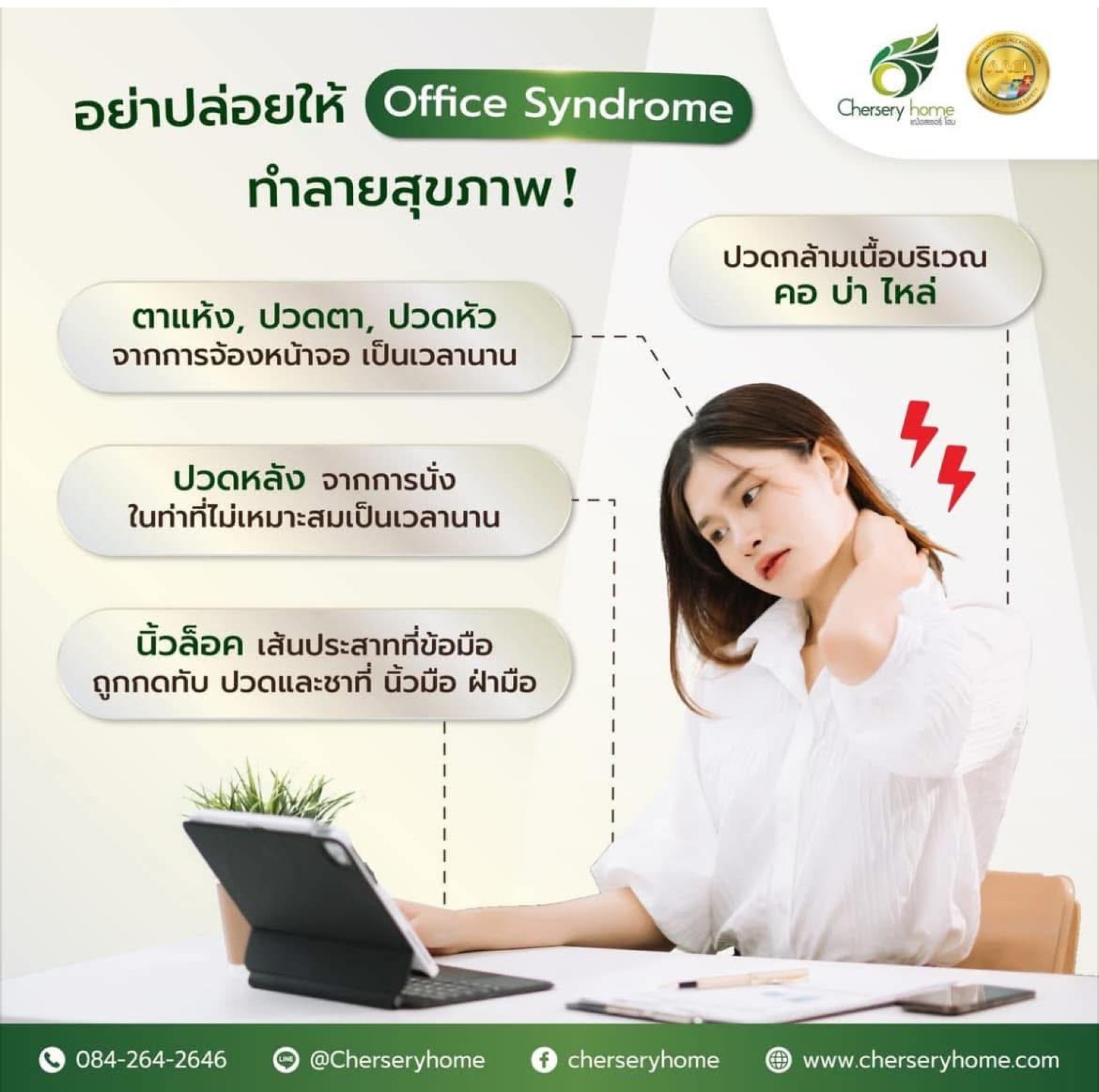
Sitting in front of a computer for long hours can lead to neck pain, shoulder stiffness, and back discomfort—common signs of “Office Syndrome.”
While these symptoms may seem minor at first, ignoring them can lead to more serious health issues such as muscle inflammation, nerve compression, and chronic pain that affects your daily life.
Warning signs to watch for:
Neck and shoulder pain
Lower back pain
Numbness or tingling in arms and hands
Tension headaches
✨ How physiotherapy helps:
Relieves muscle tension and reduces pain
Restores body balance and mobility
Improves posture and work ergonomics
Prevents recurring symptoms
Taking care of your body early can help prevent long-term complications and improve your overall quality of life.
For more information:
Inbox: https://cutt.ly/be7Xm6QW
Line: https://lin.ee/M3iUqHe
☎️ Tel: 084-264-2646

Related Content

Negative self-talk and emotional stress are common among healthcare professionals and long-term caregivers. This article introduces the “HELP” principle as a practical mental health framework to help individuals acknowledge negative thoughts without becoming overwhelmed by them, especially in the context of elderly care.
24 Jun 2026

Strong leg muscles are essential for maintaining mobility, balance, and independence in older adults. Discover three simple daily exercises that can help improve leg strength, reduce the risk of falls, and support healthy aging.
9 Jun 2026

Airway Clearance Techniques (ACTs) are therapeutic methods designed to help remove excess mucus and respiratory secretions from the airways. These techniques can improve breathing efficiency, reduce the risk of respiratory complications, and support overall lung health, particularly in older adults and individuals with chronic respiratory conditions.
17 Jun 2026
