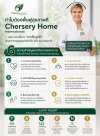
Bedridden Patient Care

Bedridden Patient Care
Caring for bedridden patients requires knowledge, understanding, and compassion, as these patients are often unable to take care of themselves. If not properly cared for, they may develop complications such as pressure ulcers, infections, or depression. Therefore, caregivers should follow the correct care guidelines to ensure the patients best quality of life.
Steps for Bedridden Patient Care
1.Positioning to Prevent Pressure Ulcers
- Reposition the patient every 23 hours.
- Use pillows to support the back, legs, or elbows to reduce pressure.
- Consider using an air mattress to help distribute pressure evenly.
2.Personal Hygiene Care
- Bathe or sponge the patient daily to prevent infections and unpleasant odors.
- Provide regular oral and dental care.
3.Nutrition Management
- Provide protein-rich meals to help repair tissues.
- Include vegetables and fruits to support the digestive system.
- Ensure the patient drinks enough water (68 glasses per day).
- For patients with swallowing difficulties, serve food in mashed or blended form.
4.Bowel and Bladder Care
- Encourage regular toileting routines to reduce urinary retention.
- Use a urinary catheter only when necessary, and clean it properly.
- Change diapers promptly to prevent moisture-related pressure ulcers.
5.Physical and Mental Rehabilitation
- Perform simple physical therapy, such as stretching exercises, to prevent joint stiffness.
- Encourage relaxing activities such as listening to music, watching TV, or engaging in conversation.
- Provide emotional support and create a warm environment to help reduce depression.
6.Monitoring for Complications
- Watch for signs of pressure ulcers, such as redness, swelling, or open wounds.
- Regularly monitor breathing, heart function, and blood pressure.
- Seek medical attention promptly if the patient develops a fever, wound infection, or difficulty breathing.
Conclusion
Proper bedridden patient care not only reduces the risk of complications but also helps improve the patients overall quality of lifeboth physically and emotionally. Caregivers should pay attention to every detail, from positioning and hygiene to nutrition and rehabilitation, ensuring that patients feel valued and never left alone.
If you are looking for a professional nursing home or care center for bedridden patients, choose a facility with doctors, nurses, and physiotherapists who provide close and attentive care for both safety and quality of life.