Sarcopenia: A Silent Threat in Older Adults That Can Be Prevented and Reversed
Last updated: 16 Jun 2026
923 Views

By Dr. Gengpong Tangaroonsanti
Internal Medicine Physician
Chersery Home International Hospital and Rehabilitation Center
Sarcopenia is a condition characterized by the progressive loss of muscle mass, strength, and physical performance as people age. It is particularly common among adults over the age of 60 and is considered one of the key components of Frailty Syndrome, which can greatly impact quality of life and independence.
Main Causes of Sarcopenia
Aging-Related Muscle Decline
As people age, natural physiological changes occur, including muscle cell degeneration, reduced production of hormones involved in muscle protein synthesis such as testosterone and growth hormone, and chronic low-grade inflammation.
Physical Inactivity
Older adults who spend long periods sitting or lying down, especially after hospitalization or illness, can lose muscle mass rapidly. Reduced movement significantly accelerates muscle deterioration.
Malnutrition
Insufficient protein intake and deficiencies in essential nutrients such as Vitamin D, Vitamin B12, and Omega-3 fatty acids can impair muscle growth and repair.
Chronic Diseases
Conditions such as chronic kidney disease, diabetes, and chronic inflammatory disorders may interfere with metabolism and protein synthesis, contributing to muscle loss.
Impact of Sarcopenia on Older Adults
• Reduced muscle strength and poor balance, increasing the risk of falls and fractures
• Difficulty standing, walking, or performing daily activities independently
• Increased fatigue, even during light activities
• Reduced quality of life and a greater risk of dependency
Prevention and Management of Sarcopenia
Engage in regular resistance training exercises at least two to three times per week to improve muscle strength and physical performance.
Consume adequate high-quality protein, approximately 1.2–1.5 grams per kilogram of body weight per day, along with essential nutrients such as Vitamin D, Vitamin B12, and Omega-3 fatty acids.
Undergo professional screening and assessment, including muscle strength testing, walking speed evaluation, and body composition analysis when appropriate.
Conclusion
Sarcopenia is not an inevitable part of aging. It is a medical condition that can be prevented, slowed, and even improved through early detection, proper nutrition, exercise, and professional healthcare support.
Maintaining strength and independence in later life begins with preserving healthy muscle mass.
For more information or to schedule a health assessment:
Chersery Home International
Tel: +66 84 264 2646
Line ID: @cherseryhome
Internal Medicine Physician
Chersery Home International Hospital and Rehabilitation Center
Sarcopenia is a condition characterized by the progressive loss of muscle mass, strength, and physical performance as people age. It is particularly common among adults over the age of 60 and is considered one of the key components of Frailty Syndrome, which can greatly impact quality of life and independence.
Main Causes of Sarcopenia
Aging-Related Muscle Decline
As people age, natural physiological changes occur, including muscle cell degeneration, reduced production of hormones involved in muscle protein synthesis such as testosterone and growth hormone, and chronic low-grade inflammation.
Physical Inactivity
Older adults who spend long periods sitting or lying down, especially after hospitalization or illness, can lose muscle mass rapidly. Reduced movement significantly accelerates muscle deterioration.
Malnutrition
Insufficient protein intake and deficiencies in essential nutrients such as Vitamin D, Vitamin B12, and Omega-3 fatty acids can impair muscle growth and repair.
Chronic Diseases
Conditions such as chronic kidney disease, diabetes, and chronic inflammatory disorders may interfere with metabolism and protein synthesis, contributing to muscle loss.
Impact of Sarcopenia on Older Adults
• Reduced muscle strength and poor balance, increasing the risk of falls and fractures
• Difficulty standing, walking, or performing daily activities independently
• Increased fatigue, even during light activities
• Reduced quality of life and a greater risk of dependency
Prevention and Management of Sarcopenia
Engage in regular resistance training exercises at least two to three times per week to improve muscle strength and physical performance.
Consume adequate high-quality protein, approximately 1.2–1.5 grams per kilogram of body weight per day, along with essential nutrients such as Vitamin D, Vitamin B12, and Omega-3 fatty acids.
Undergo professional screening and assessment, including muscle strength testing, walking speed evaluation, and body composition analysis when appropriate.
Conclusion
Sarcopenia is not an inevitable part of aging. It is a medical condition that can be prevented, slowed, and even improved through early detection, proper nutrition, exercise, and professional healthcare support.
Maintaining strength and independence in later life begins with preserving healthy muscle mass.
For more information or to schedule a health assessment:
Chersery Home International
Tel: +66 84 264 2646
Line ID: @cherseryhome
Related Content
When a loved one faces a life-threatening illness, families are often asked whether to proceed with intubation and life-sustaining treatments. While these interventions may prolong life, they may not always preserve the quality of life a patient desires. This article explores the importance of dignity, Advance Directives, and Palliative Care in helping families make compassionate and informed decisions during end-of-life care.
16 Jun 2026
เป็นภาวะที่ปอดขยายตัวไม่เต็มที่ เกิดจากการถูกจำกัดการเคลื่อนไหว หายใจตื้น มีสิ่งอุดตันในหลอดลมเล็กๆ ถุงลมในปอดตีบ มีแรงดันจากช่องเยื่อหุ้มปอด ไม่สามารถไอขับเสมหะออกได้อย่างมีประสิทธิภาพและการระบายอากาศไม่เพียงพอ ต่อมาเลือดที่ไหลผ่านปอดไม่สามารถแลกเปลี่ยนออกซิเจนกับปอดได้ ระดับออกซิเจนในเลือดแดงจึงลดลง ทำให้เกิดภาวะขาดออกซิเจนและอาจหมดสติได้
19 Mar 2025
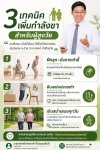
Strong leg muscles are essential for maintaining mobility, balance, and independence in older adults. Discover three simple daily exercises that can help improve leg strength, reduce the risk of falls, and support healthy aging.
9 Jun 2026
